
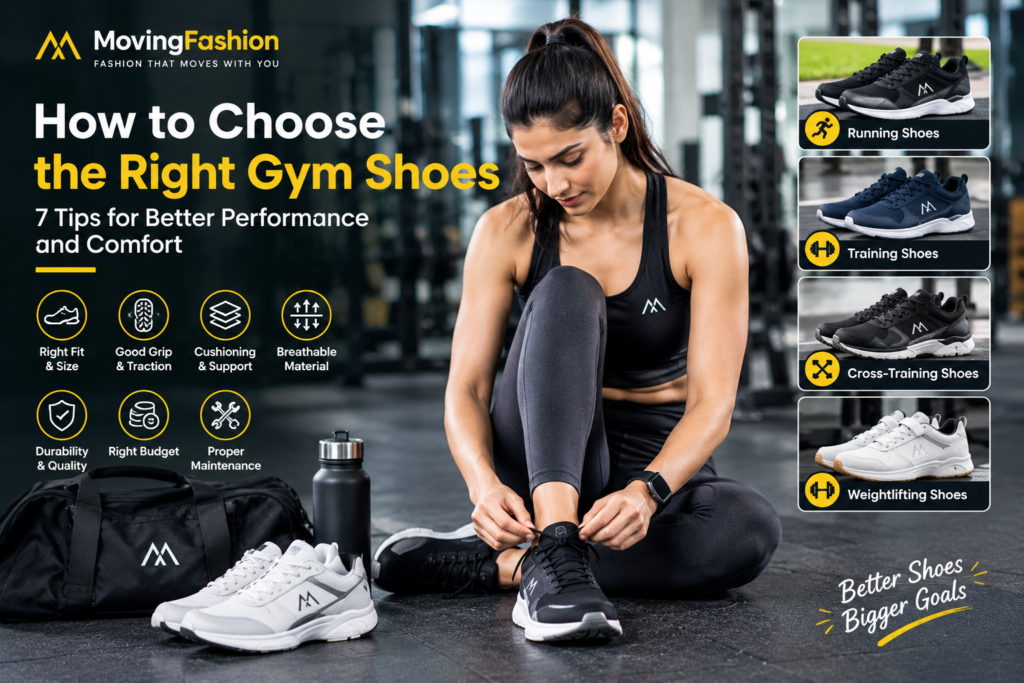
How to Choose the Right Gym Shoes: A Complete Fitness Guide
share Choosing the right footwear is an important part of preparing for a workout. Whether you are lifting weights, running on a treadmill, cycling, or participating in high-intensity training, your shoes can influence comfort, stability, and movement. Wearing unsuitable footwear may make certain exercises uncomfortable and affect how confidently you perform them. Learning how to choose the right gym shoes can help you find footwear that matches your fitness routine, foot shape, and personal preferences. With different designs available for running, strength training, and everyday workouts, understanding the basic features of gym shoes can make your shopping experience easier. 1. Understand Your Workout Requirements Before purchasing gym footwear, consider the activities you perform most often. Different exercises place different demands on your feet, so one type of shoe may not be ideal for every workout. Running shoes are generally designed to provide cushioning and support for repeated forward movement. Weightlifting shoes often have firmer, more stable soles to help with balance during strength exercises. Cross-training shoes are designed for a variety of movements, including lateral steps, short runs, and circuit training. When researching how to choose the right gym shoes, start by identifying your main fitness goal. If you primarily lift weights, look for stability. If you spend most of your workout running, prioritise suitable cushioning and a comfortable fit. 2. Choose the Right Shoe Size and Fit A comfortable fit is one of the most important factors when buying gym shoes. Shoes that are too tight may cause pressure, while excessively loose footwear can allow your feet to slide during movement. Your toes should have enough room to spread naturally without hitting the front of the shoe. The heel should feel secure without slipping excessively, and the shoe should not pinch the sides of your feet. Try on gym shoes while wearing the socks you normally use for exercise. Feet can also swell slightly during the day, so trying shoes later in the day may help you assess their fit. Understanding how to choose the right gym shoes means looking beyond the size printed on the box. Comfort, width, heel security, and overall fit matter just as much. 3. Look for Grip and Stability Good traction can help you maintain control when moving between exercises. Gym floors, treadmill surfaces, and outdoor paths all have different requirements, making the outsole an important feature to consider. For strength training, a firm, stable base can help you feel balanced during controlled movements such as squats and dumbbell exercises. For cardio sessions, choose footwear with an outsole suitable for the surface and activity. Cross-training shoes often provide a balance between grip and flexibility for people who perform different workouts. However, no shoe can prevent every slip or injury, so proper technique and a suitable training environment remain important. When deciding how to choose the right gym shoes, check the sole pattern, construction, and intended use rather than judging a shoe only by its appearance. 4. Check Cushioning and Support Cushioning helps absorb some of the impact associated with activities such as running and jumping. The amount you need depends on your workout, comfort preferences, and the type of footwear. Running shoes commonly feature cushioning designed for repetitive impact. For heavy strength training, however, a very soft or unstable sole may not feel suitable during lifts that require a firm base. Arch shape, foot width, and individual comfort can also influence your choice. If you have persistent foot pain or specific foot conditions, a qualified healthcare professional or podiatrist can help you identify suitable footwear. The goal is to select gym shoes that feel comfortable and stable for your intended activity, rather than assuming that more cushioning is always better. 5. Select Breathable and Lightweight Materials Gym sessions can make your feet warm, especially during cardio workouts or exercise in hot weather. Breathable upper materials, including many mesh designs, can improve airflow and help reduce the feeling of trapped heat. Lightweight shoes may also feel comfortable during workouts that involve frequent movement. However, lightweight construction should not come at the expense of the stability or durability required for your activity. Look for materials that feel comfortable against your feet and are easy to maintain. Check the manufacturer’s cleaning instructions to keep your footwear in good condition. These considerations are especially useful when learning how to choose the right gym shoes for regular training in India’s warm climate. 6. Consider Durability, Quality, and Budget Gym shoes experience repeated pressure, friction, and movement. Choosing a well-constructed pair can help you get better use from your purchase. Examine the stitching, outsole, upper material, and overall construction. Check whether the shoe is designed for your preferred activity and whether the sole provides the stability you need. You do not always need the most expensive footwear to find a comfortable option. Compare features, fit, quality, and warranty information within your budget. A suitable mid-range pair may meet your needs better than a premium shoe designed for a different sport. When learning how to choose the right gym shoes, remember that the best purchase is the one that meets your fitness requirements and feels right on your feet. 7. Maintain Your Gym Shoes Properly Taking care of your footwear can help preserve its comfort and useful life. Allow shoes to air out after workouts, remove dirt regularly, and follow the manufacturer’s cleaning instructions. Avoid leaving damp shoes in a closed gym bag for extended periods. Check the outsole for excessive wear, the upper for damage, and the midsole for signs that cushioning or structure has deteriorated. Replace footwear when it no longer provides the comfort, fit, or performance you need. The replacement timeline depends on usage, shoe type, body weight, and training conditions. Conclusion Choosing suitable gym footwear is an important step towards building a comfortable and effective fitness routine. Consider your workout type, shoe size, grip, stability, cushioning, breathability, and budget before making a decision. Learning how to choose the right